Installing a wood stove in a Canadian home involves more regulated decisions than most homeowners initially expect. The sequence of those decisions — appliance selection, positioning, floor protection, connector routing, chimney connection — determines both safety and long-term performance.
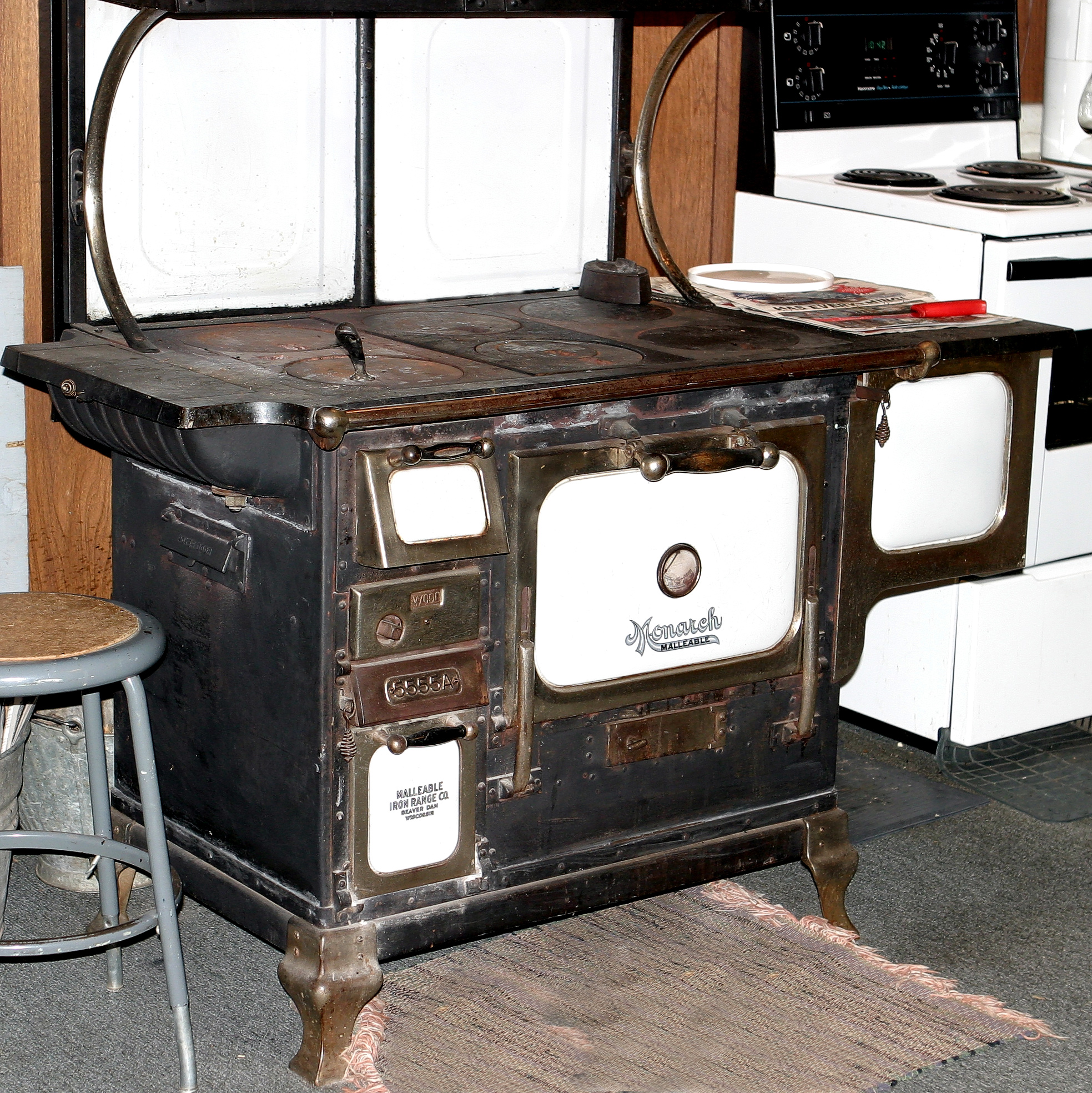
Step 1 — Selecting a CSA-Certified Appliance
In Canada, wood stoves must carry CSA B415.1 certification to be legally installed in most jurisdictions. This standard covers particulate emissions, efficiency testing, and structural requirements. Some provinces also accept EPA 2020-certified stoves as an equivalent, but confirming acceptance with the local authority having jurisdiction (AHJ) before purchase avoids problems at the permit stage.
The appliance label should specify the required clearances to combustibles — these vary by model and override any generic table in the installation guide. An insert certified for 6 inches to the side wall cannot be installed at 4 inches, regardless of what a contractor might suggest.
Step 2 — Building Permit Requirements
Most provinces require a building permit for any new wood-burning appliance installation. Ontario's Building Code (O. Reg. 332/12) requires a permit under Article 9.9 for solid-fuel appliances. British Columbia requires a building permit under the BC Building Code and typically a Solid Fuel Burning Appliance Inspection by a WETT-certified technician before occupancy. Alberta and Quebec follow similar requirements with provincial variations.
Always pull a permit before starting installation. Unpermitted wood stoves can void homeowner's insurance and create significant liability in the event of a fire.
Step 3 — Floor Protection (Hearth Pad)
CSA B365 and manufacturer documentation define the minimum hearth extension in front of and beside the loading door. Standard requirements:
- Extension in front of loading door: minimum 18 inches (457 mm) on stoves with a door opening of less than 18 inches; 24 inches (610 mm) for larger openings
- Side extensions: minimum 8 inches (203 mm) on both sides of the appliance
- Pad thickness: sufficient to provide a minimum R-value as specified in the appliance manual — typically a 1¼-inch layer of non-combustible material over an air space or equivalent assembly
Common hearth pad assemblies in Canadian practice include 12mm cement board over 19mm air space, natural stone tiles over cement board, or pre-manufactured steel-framed pads rated to the required thermal resistance. The surface must extend fully under the stove legs; placing legs on the edge of the pad is not compliant.
Step 4 — Positioning and Clearances
The appliance label lists clearance to combustibles for each side, rear, top, and bottom. These are measured from the outer surface of the stove casing to the nearest combustible material — not to the wall finish. If walls have a combustible substrate behind a tile or plaster finish, the measurement goes to that substrate.
Where full clearances cannot be achieved, reduced-clearance assemblies are permitted under CSA B365 Annex A. A ventilated 28-gauge steel shield with a 1-inch air gap can reduce side clearances by up to 33%. A double-wall assembly with a ventilated 1-inch air gap can reduce clearances by up to 50%. These reductions apply only when the assembly is continuous, properly vented top and bottom, and not covering the entire combustible surface.
Step 5 — Connector Pipe Sizing and Routing
The connector pipe runs from the stove collar to the chimney liner. Diameter must match the stove collar exactly — reducing or enlarging connector diameter at the connection point disrupts draft. Standard practice:
- Connector pipe: 24-gauge minimum for connectors under 8 feet; 22-gauge for longer runs or higher-temperature appliances
- Maximum horizontal run: no more than 75% of the vertical chimney height above the connector entry point
- Pitch: minimum 1/4 inch rise per linear foot toward the chimney to prevent condensate pooling
- Joints: overlapping in the direction of flue gas flow, secured with three sheet metal screws per joint
Connector elbows reduce draft capacity. Each 90-degree elbow is equivalent to approximately 5 feet of straight connector length for draft calculation purposes. Keeping the connector short and the run as straight as possible is always preferable to complex routing.

Step 6 — Chimney Connection
Connector pipe connects to either a factory-built metal chimney (Class A) or a masonry chimney with a listed liner. Masonry chimneys serving wood stoves require a liner — unlined masonry chimneys are not code-compliant for solid-fuel appliances in any Canadian province.
Liner sizing follows CSA B365 Table 7.1, which cross-references appliance heat output, connector diameter, and chimney height. A 6-inch liner is the most common configuration for residential wood stoves in the 60,000–80,000 BTU/hr range in chimneys 15–25 feet tall. Undersizing a liner causes chronic draft problems; oversizing causes rapid cooling and accelerated creosote deposition.
The chimney cap is a mandatory component. Its clear opening area must be at least equal to the flue cross-section area. A cap too small for the flue creates back pressure; a cap without a spark arrestor screen fails to meet fire code requirements in most Canadian jurisdictions.
Step 7 — WETT Inspection and Final Sign-Off
Wood Energy Technology Transfer (WETT) certification is the Canadian standard for inspecting solid-fuel systems. Most insurers in Canada require a WETT inspection certificate for coverage of wood-burning appliances. A certified WETT inspector will evaluate:
- Appliance certification and label condition
- Clearances to all combustibles
- Hearth pad assembly and extension dimensions
- Connector pipe gauge, pitch, and joint security
- Chimney liner condition, sizing, and termination height
- Draft at the appliance collar under operating conditions
Find a WETT-certified technician through the WETT Inc. technician directory. Inspectors are listed by province and certification level (Basic, Core, or Level 3 Comprehensive).
Related Resources
For additional context, the National Research Council's CSA B365 standard is the primary technical reference for professional installers. Natural Resources Canada publishes wood heating guidance including efficiency ratings for certified appliances.